Dr. Jason Pirozzolo's Guide to Injury-Free Running


Running is one of the most accessible forms of exercise, yet many people are unknowingly putting their knees at risk due to improper form. Most importantly, understanding the biomechanics of running can help prevent long-term injury. Dr. Jason Pirozzolo, a leading expert in sports medicine, emphasizes that “the way you run can significantly impact your knee health.” This article will explore common running form mistakes and provide actionable advice to safeguard your joints.
One frequent error is overstriding, where runners extend their legs too far in front of their bodies. This increases stress on the knees, leading to potential injuries. Dr. Pirozzolo explains, “When you overstride, you’re placing a braking force on your knee with each step.” Therefore, it’s crucial to focus on landing with your foot directly beneath your body, which helps reduce impact.
Another common mistake is poor posture. Many runners lean too far forward or backward, causing unnecessary strain on the knees. Good posture involves a slight forward lean from the ankles, not the waist. “Imagine a straight line from your head to your feet,” advises Dr. Pirozzolo. This alignment helps distribute forces evenly across the body and minimizes knee pressure.
Besides that, improper footwear can exacerbate knee problems. Wearing shoes that lack adequate support or are worn out can lead to misalignment and increased stress on the knees. Dr. Pirozzolo recommends choosing running shoes that complement your foot type and have sufficient cushioning. “Your shoes should support your natural foot motion,” he suggests.
Moreover, many runners neglect strength training, which is vital for knee health. Strong muscles around the knee can absorb shock and stabilize the joint. Dr. Pirozzolo highlights exercises such as squats and lunges, noting, “Strengthening your quadriceps and hamstrings can significantly decrease knee strain.”
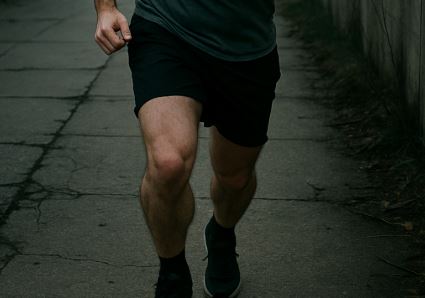
It’s also essential to pay attention to the running surface. Hard surfaces like concrete can amplify the impact on knees, while softer terrains like trails offer more shock absorption. Therefore, varying your running routes can help protect your joints.
A crucial yet often overlooked aspect is the importance of proper warm-up and cool-down routines. Failing to prepare your muscles and joints for the demands of running can lead to injuries. Dr. Pirozzolo advises, “Incorporate dynamic stretches before running and static stretches afterward to maintain flexibility and prevent stiffness.”
Hydration and nutrition also play a role in joint health. Staying hydrated keeps the joint cartilage healthy, while a balanced diet provides the necessary nutrients for muscle repair and growth. Foods rich in omega-3 fatty acids, such as fish, can reduce inflammation around the knees.
In addition to these tips, listening to your body is paramount. Pain is a signal that something is wrong. Ignoring knee pain can lead to chronic issues. “If you experience persistent knee pain, consult a healthcare professional,” Dr. Pirozzolo warns.
By implementing these strategies, you can enjoy running while minimizing the risk of knee injuries. Interested in learning more? Follow Dr. Jason Pirozzolo for ongoing insights into genetic medicine, orthopedic innovations, and proactive health strategies. You will also find extensive patient information that will help keep you healthy and informed.