Sun, Sand, and Sore Backs: How to Prevent Beach-Related Aches and Pains


When most people think of the beach, they envision a serene escape filled with the soothing sounds of crashing waves, the warmth of the sun, and the soft texture of sand beneath their feet. However, not many consider that this idyllic setting can sometimes lead to unexpected discomforts. Dr. Jason Pirozzolo, a well-respected physician specializing in sports medicine, cautions that the beach, while relaxing, poses several risks to our musculoskeletal health.
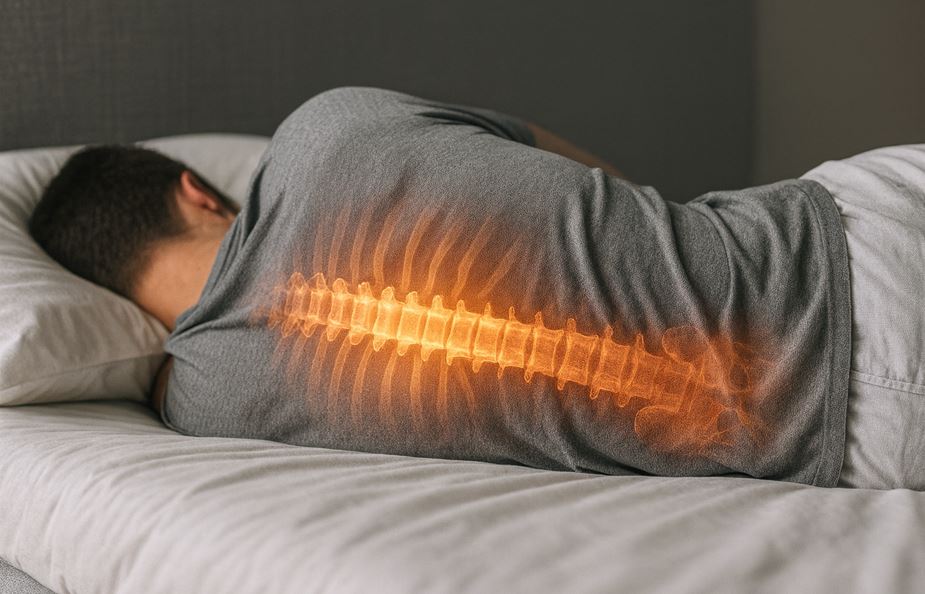
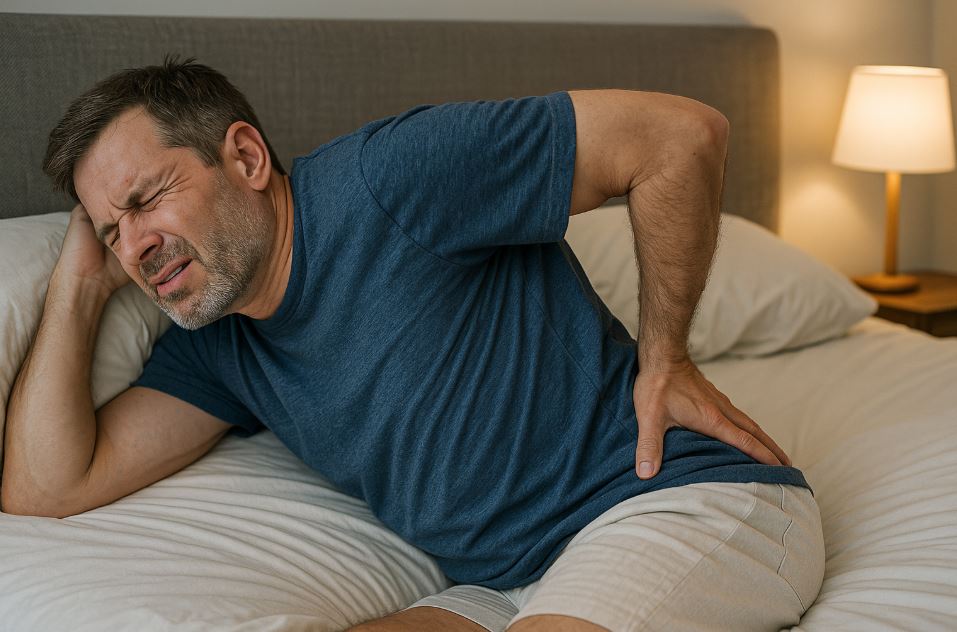
“Prolonged lounging on the beach,” explains Dr. Jason Pirozzolo, “can lead to aches and pains, primarily due to poor posture and inadequate support for the spine.” The allure of sprawling on a beach towel or reclining in a chair for hours can inadvertently cause stress on the lower back. Most importantly, the lack of lumbar support is a significant contributor to these discomforts.
Walking on sand presents another challenge. The uneven terrain requires our muscles to work harder to maintain balance, potentially leading to soreness. “Walking barefoot on sand can be a great workout,” says Dr. Jason Pirozzolo, “but it’s important to be aware of how it affects your body, especially if you’re not used to it.”
Besides that, poor posture while engaging in activities like reading or sunbathing can compound these issues. “Many people don’t realize that the way they position their bodies can lead to significant stress on their neck and back,” warns Dr. Jason Pirozzolo. To mitigate these risks, he suggests using a supportive beach chair and taking frequent breaks to stretch and move around.
Therefore, preparation is key. Bringing a beach umbrella or a pop-up tent can help reduce the strain of squinting and craning your neck to escape the sun’s glare. Hydration is equally crucial, as dehydration can exacerbate muscle cramps and fatigue.
Another essential tip is to incorporate core-strengthening exercises into your routine. A strong core provides better support for your back, reducing the likelihood of discomfort. “Simple exercises like planks or bridges can make a huge difference,” Dr. Jason Pirozzolo advises. “Plus, they can easily be done on the beach, making them a perfect addition to your day.”
Stretching before and after beach activities is also beneficial. Gentle stretches for the lower back, hamstrings, and calves can help maintain flexibility and prevent stiffness. “Think of stretching as a way to prepare your body for the unique challenges the beach environment presents,” says Dr. Jason Pirozzolo.
In conclusion, while the beach is a wonderful place to relax and enjoy nature, being mindful of these potential pitfalls can ensure that your time spent by the sea is as comfortable as it is enjoyable. “Awareness and a few simple precautions can make all the difference,” emphasizes Dr. Jason Pirozzolo.
Interested in learning more? Follow Dr. Jason Pirozzolo for ongoing insights into genetic medicine, orthopedic innovations, and proactive health strategies. You will also find extensive patient information that will help keep you healthy and informed.