What Dog Walking Injuries Feels Like: What Should You Watch This Week?

You are walking your dog at the White Street Pier at sunset. A pelican drops onto the rail, your dog lunges toward it, and the leash snaps tight before you can reset your grip. For a second, all you notice is the sharp pull in your hand, wrist, or shoulder, and then the soreness starts to settle in.
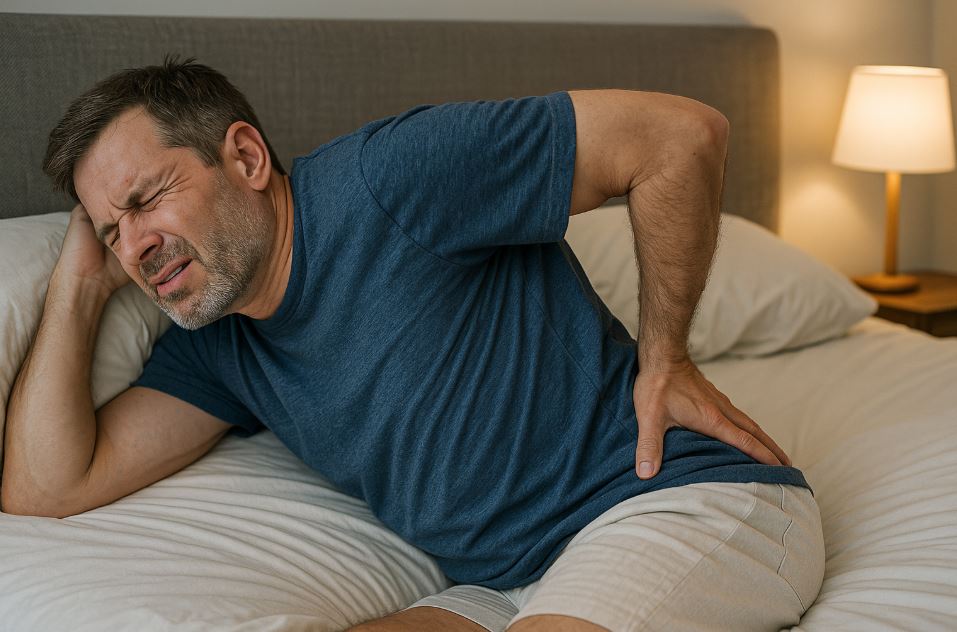
The usual answer is a sudden strain, meaning an overstretched muscle or tendon, or a finger or wrist injury from the leash twisting or catching as the dog pulls. Jason Pirozzolo, DO, a sports medicine physician, puts the prevention side simply: "Use a fixed-length, non-retractable leash, approximately 4-6 feet long." In daily life, the injury often feels like pain that started all at once, then gets worse when you grip, lift, or reach.
The injuries that show up most often
The injuries seen most often from dog walking are fractures, meaning broken bones, and sprains or strains, meaning stretched or torn ligaments, muscles, or tendons. A 2020 study in the American Journal of Emergency Medicine found fractures made up 26.8% of leash injuries and sprains or strains made up 26.0%. Another 2023 study in Medicine & Science in Sports & Exercise found the upper extremity, meaning the arm, wrist, or hand, was involved in 51% of adult cases.
For you on the pier, the most likely problem is the one that matches where the leash loaded your body. If it bit across your fingers or wrapped before the pelican landing made your dog surge, a finger or hand injury is common. If your arm was pulled out from your side, the pain can feel more like a shoulder strain. A 2026 systematic review in Injury Prevention found pulling was the main direct cause in 68.5% of hand and wrist cases, and finger fractures were the most common hand and wrist injury.
What people often confuse it with
Many people worry that every sharp pain after a leash jerk means a break, but a sprain or strain often looks similar at first. Both can swell, both can hurt right away, and both can make you stop using the hand or arm normally. The difference is usually in how much force it takes to set off the pain and whether simple motion is possible at all.
A strain often feels sore, tight, and worse with use, while a fracture usually gives more point tenderness, meaning one exact spot is much more painful, and less willingness to move. That is only a rule of thumb. When pain is still limiting your grip, your reach, or your normal walk a few days after the leash pull, that is the point to have it examined in Key West orthopedics.
What to do at home this week
The first week is mostly about calming the irritated area and not repeating the same pull. Dr. Pirozzolo's advice on gear is direct: "Hold the leash across the palm." He also says, "Never wrap excess leash around the fingers, thumb, hand, or wrist." Those steps matter because hand and wrist injuries often happen when part of the leash catches during a pull.
- Rest the sore hand, wrist, or shoulder for the next few days, and stop any activity that repeats the same sharp pain.
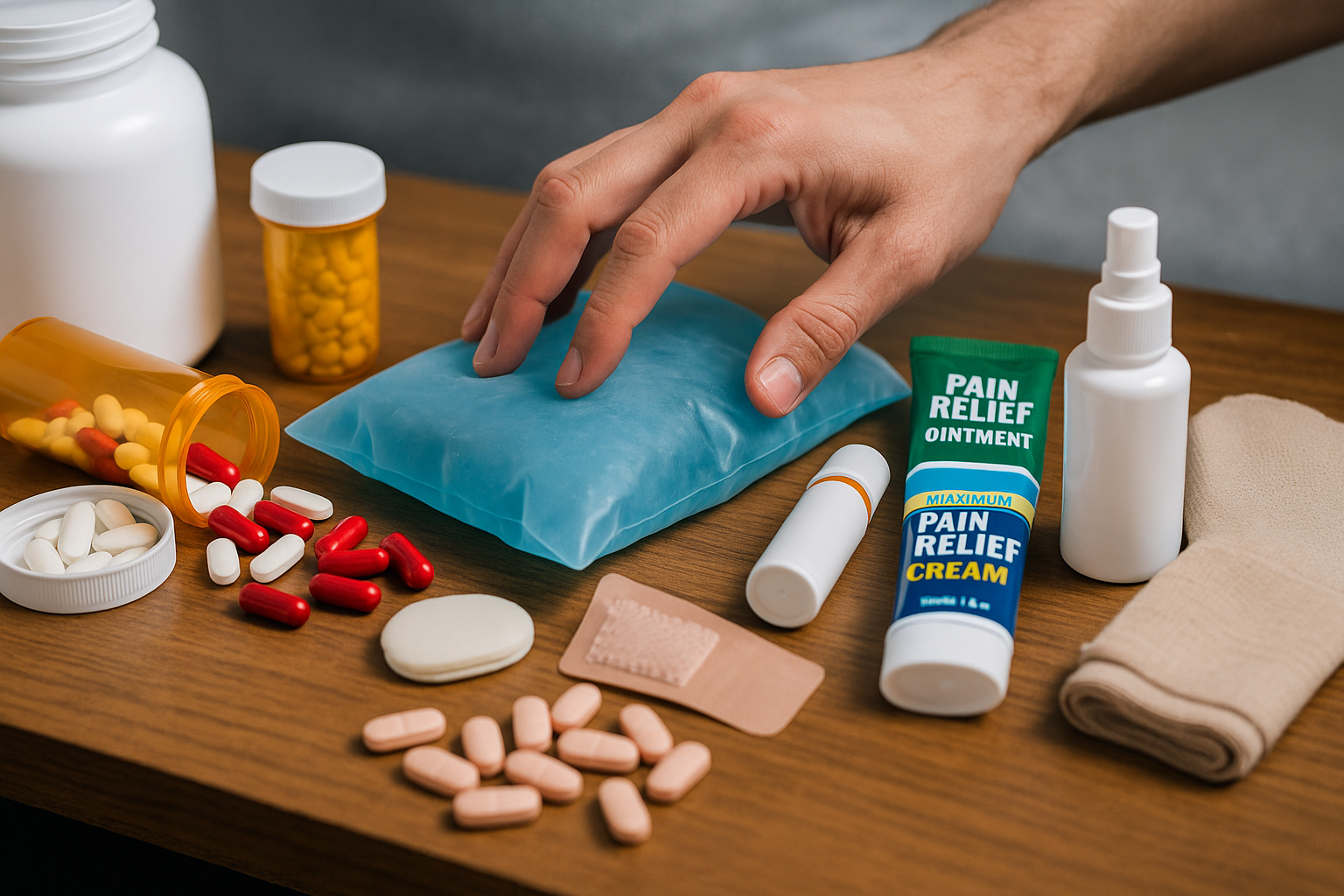
- Use ice for 15 to 20 minutes at a time, a few times a day, until the swelling and the ache start to settle.
- Try gentle motion once or twice a day, only up to mild discomfort, until stiffness eases instead of building.
- Switch now to a fixed leash held in your palm, and keep doing that every walk.
- Come in to be seen this week if pain is not easing, or if gripping, lifting, or walking the dog still feels limited after several days.
What the studies add, and what they do not
The research supports two practical points. First, most leash injuries start with a pull or a trip. A 2020 study in the American Journal of Emergency Medicine found pulling caused about 54% of leash injuries and trip or tangle events caused about 38%. A 2023 study in Medicine & Science in Sports & Exercise found 55% of adult injuries happened when the walker fell after being pulled or tripped.
Second, the hand and arm deserve extra respect. A 2026 review in Hand reported 443 hand and wrist cases, and in 75.9% the hand or arm got caught in the leash during a pull. On the prevention side, a 2025 systematic review in Animals and a 2024 study in PeerJ concluded that a non-tightening front-clip harness appears to give the best balance between reducing pulling and limiting unwanted effects. The evidence is mixed on exactly which walker will get which injury, so the best guide is still where your pain is, what movement brings it on, and whether it is improving over the week.
As the light fades on the pier and your dog settles again, the main thing is not to talk yourself out of a lingering injury. One simple next step is often enough to lower the chance of a repeat. "Generally avoid retractable leashes, particularly in older adults, patients with osteoporosis, impaired balance, previous falls, or anyone walking a strong or reactive dog," Dr. Pirozzolo says.
If your hand, wrist, or shoulder is still limiting your walk a few days after that leash pull, have it checked. To be seen, Key West Concierge Orthopedics.
Questions About Dog Walking Injuries
How long should a simple leash pull injury stay sore?
A mild strain can stay sore for several days, especially with gripping or reaching. If it is not easing over the week, it is worth being seen.
Why do finger injuries happen so often with dogs?
They often happen when the leash catches, twists, or wraps during a sudden pull. That is why holding the leash in your palm matters.
Does changing the leash setup really help?
It can help reduce repeat pulls to the hand. A fixed leash and a non-tightening front-clip harness are the setup Dr. Pirozzolo prefers when a dog pulls.
Sources
- Forrester MB et al. Dog leash-related injuries treated at emergency departments. Am J Emerg Med. 2020.
- Maxson R et al. Epidemiology of Dog Walking-Related Injuries among Adults Presenting to US Emergency Departments, 2001-2020. Med Sci Sports Exerc. 2023.
- Lim B et al. Dog walking-related injuries of the hand and wrist: a systematic review. Inj Prev. 2026.
- Plusch K et al. Hand and Wrist Dog-Leash Injuries in the Outpatient Setting: A Review of 443 Cases. Hand (N Y). 2026.
- Johnson AC et al. Comparing efficacy in reducing pulling and welfare impacts of four types of leash walking equipment. PeerJ. 2024.
- Cavalli C et al. Review of Collars, Harnesses, and Head Collars for Walking Dogs. Animals (Basel). 2025.
Medically reviewed by
Jason Pirozzolo, DO
Fellowship Trained and Board Certified in Sports Medicine
Last medically reviewed: October 4, 2026